How Houseboats help Election Campaigns in Alappuzha
🛶 Table of Contents
- Introduction
- What Makes Alappuzha Different
- What Are Floating Polling Booths
- How Floating Polling Booths Work
- Locations for Floating Polling Booths
- How Houseboats help in Election Activity
- Election Campaign Activities by Motorboat
- The Role of Motorboats
- Floating Dispensaries on Water
- Voter Experience: A Day in Alleppey's Water Elections
- The Future of Water-Based Elections in Alleppey
- Conclusion
- FAQ
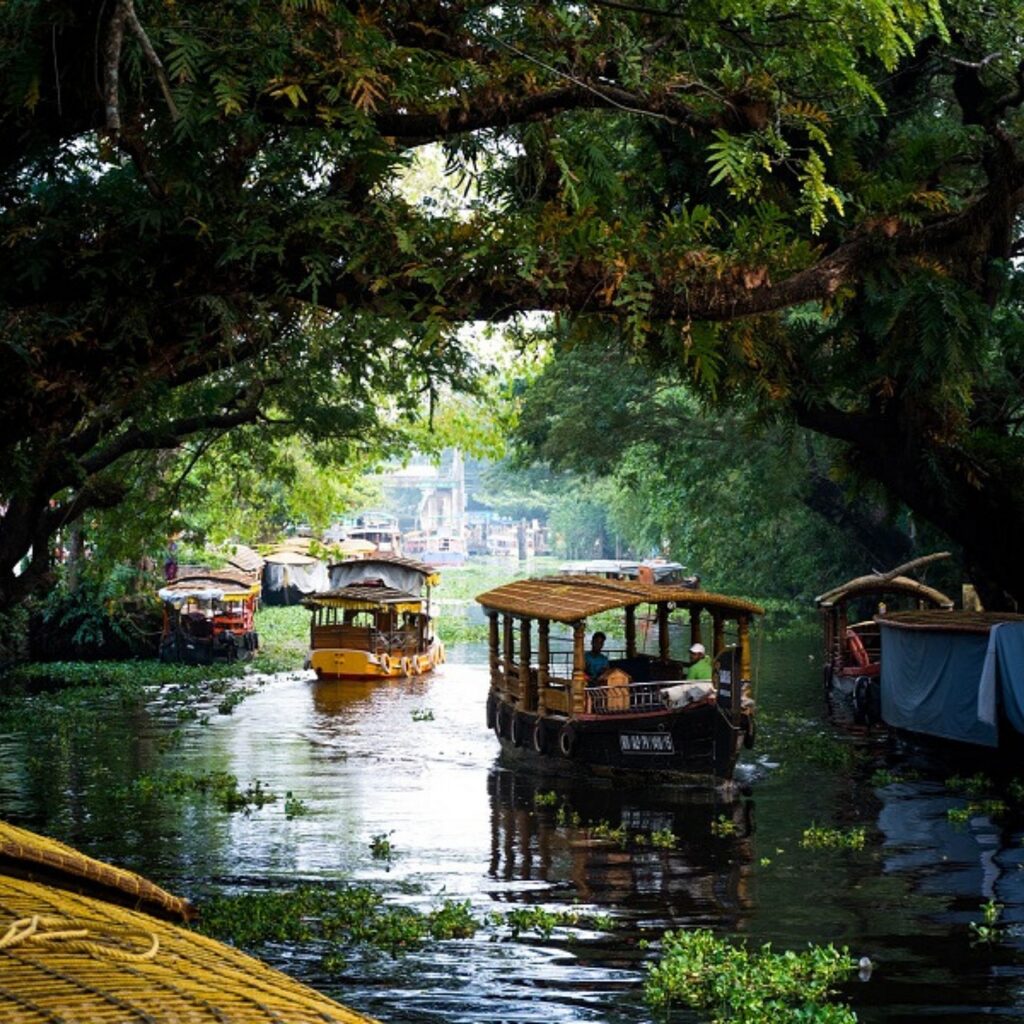
Kerala votes on December 9 and 11, 2025. Alappuzha prepares in a special way because water surrounds most parts of the district. Boats support daily life here. They also support election activity. Houseboats turn into moving campaign stages. Motorboats become fast transport for staff. Floating dispensaries help people in remote areas during the polling period. The highlight is one of the state’s most unique systems, floating polling booths.
This blog explains how floating polling booths work. You will understand how campaigns operate across the backwaters. You will also see how houseboats support smooth election movement.
What Makes Alappuzha Different
Water connects most areas here. Kanetta, Punnamada, Kainakary, Kuppapuram, Mankombu, and Thekkekara rely on boats for daily travel. Roads reach only some spots. Many homes sit close to the water. Many shops run on the edges of the lake.
During elections, officials must reach each island and each ward. Boat services handle this task. Without boats, election teams struggle to reach voters. This is why Kerala uses floating booths in a few locations.
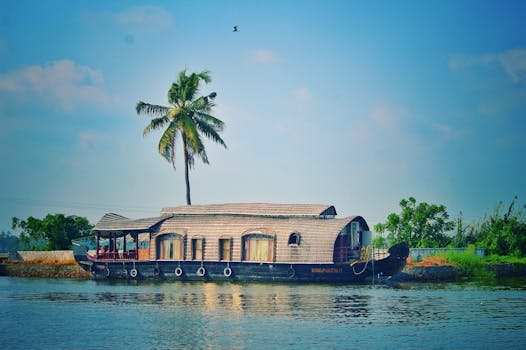
Houseboats become useful because they offer space, stability, and comfort. They support staff who travel through long stretches of water. They also act as base points for rest, storage, and coordination.
What Are Floating Polling Booths
A floating polling booth is a boat arranged for the election team. It carries the materials needed for polling. Staff move from one location to another through the backwaters. The booth stops at points where voters gather.
These booths help voters in remote water-locked regions. The Election Commission tested such models before. Alappuzha uses them during major polls due to the long water routes.
Motorboats support these booths. They move faster and reach narrow canals. Staff use them to travel between islands. Houseboats offer a steady area for planning and documentation. This blend keeps the system strong.
How Floating Polling Booths Work
Floating polling booths are essentially modified boats or barges equipped with all standard polling station facilities:
Infrastructure Features:
- Electronic Voting Machines (EVMs) securely mounted and protected from moisture
- VVPAT machines for voter verification
- Privacy screens ensuring secret ballot principles
- Seating arrangements for polling officers
- Waterproof storage for ballot papers and documentation
- Power backup systems including generators or battery packs
- Communication equipment for real-time reporting
Operational Protocol:
- Boats anchor at designated spots near island communities
- Strict adherence to Election Commission guidelines
- Security personnel stationed onboard
- Polling hours maintained from 7 AM to 6 PM
- Mock polls conducted before voting begins
- All standard procedures followed including voter ID verification and indelible ink marking
Locations for Floating Polling Booths
Kainakary: This backwater region, famous for its coir industry and below-sea-level farming in Kuttanad, hosts multiple floating polling stations. The area’s unique geography with settlements scattered across islands and narrow waterways makes water based polling essential.
Punnamada: Home to the famous Punnamada Lake where the Nehru Trophy Boat Race takes place.This region sees significant voter turnout from houseboat workers, fishermen, and agricultural communities living along the lake shores.
Kuppapuram: A densely populated backwater locality where narrow canals make road access challenging. Floating booths navigate through these waterways, ensuring no voter is left behind.
Mankombu: It is known for its beautiful canals and traditional Kerala lifestyle, Mankombu’s island populations depend entirely on water transport, making floating polling booths indispensable.
How Houseboats help in Election Activity
The very same houseboats known for luxury cruises become:
- Floating polling stations with EVMs (Electronic Voting Machines), staffed by officers who travel and camp onboard for the duration of voting in island clusters.
- Shuttle services for officials and security personnel, ensuring safe, timely poll management.
- Campaign hubs for candidates. Politicians and party workers hold rallies on boats, dock at each hamlet, and address gatherings on the move.
- Awareness platforms: Houseboat decks double up as stages for voter education, skits, loudspeaker addresses, and distribution of campaign material.
- Mobile command centers: For live updates, communication, and coordination between different polling clusters.
Election Campaign Activities by Motorboat
Motorboats play a crucial role in election campaign activities across Alleppey’s water-bound villages. Typical activities include:
Activity | Description & Houseboat Connection |
Mobile rallies and water parades | Boats decorated with party flags cruising canals, broadcasting via loudspeakers |
Floating speeches and debates | Candidates reach gatherings on boat decks, engage with voters directly |
Polling staff movement | Officers/facilitators use houseboats for night halts and transport on polling day |
Voter mobilization and awareness drives | Houseboat teams distribute pamphlets, set up info kiosks, and explain voting |
Medical & floating dispensary support | Houseboats ferry medical staff; floating dispensaries remain on standby |
Secure EVM transport | Boats ensure ballot boxes are safely taken from islands to central points |
Candidates also use rented houseboats during campaigns. These boats help leaders reach people who live near narrow canals. They hold small gatherings. They speak directly to voters from the deck of the boat. Residents gather near the banks. The water helps sound travel. This supports direct contact without large stages.
The Role of Motorboats
Motorboats move faster. They help teams reach villages where canals turn tight. Election workers use motorboats to transport:
• Voter lists
• Security teams
• EVM units
• Health workers
• Polling assistants
During peak hours you will see many motorboats traveling between Punnamada and Kainakary. This traffic grows as the date comes close. Thekkekara and Mankombu receive regular visits from officials because these places spread across wide water bodies.
Motorboats support campaigning too. Candidates use them to reach areas where houseboats cannot enter. They stop near the banks. Volunteers speak to households one by one. This keeps the campaign active during the entire period.
Floating Dispensaries on Water
Parallel to floating polls, floating dispensaries provide medical care to voters, polling staff, and campaigners. Especially in remote areas such as Kainakary or Kuppapuram, these mobile clinics travel onboard boats, offering everything from first aid to emergency care crucial for smooth, accessible elections
Voter Experience: A Day in Alleppey’s Water Elections
Morning at a Floating Polling Booth
6:00 AM: The floating polling booth arrives at its designated location near Kainakary island. Election officials conduct mock polls, ensuring all equipment functions properly.
7:00 AM: Voting begins. Early risers arrive in personal boats, small canoes, and shared water taxis. The queue forms on wooden planks extending from the floating booth to the shore.
9:00 AM: Fishermen return from morning catch and head directly to vote, some still in work clothes. Women from self-help groups arrive together in a shared boat, chatting about candidates.
12:00 PM: Midday sees families voting together.Grandparents, parents, and first-time young voters cast their votes. Volunteers distribute water and snacks to those waiting.
3:00 PM: Afternoon brings a dip as the tropical heat intensifies. Election officials use this time to report turnout numbers via satellite phone.
5:00 PM: The final rush begins as workers return home. Houseboat crew members, coir factory workers, and school teachers hurry to cast votes before the 6 PM deadline.
6:00 PM: Voting ends. The floating booth begins its journey back to the counting center, carrying the precious cargo of democracy the people’s voice in sealed EVMs.
Campaign Trail Experience
Early Morning: Campaign motor boats depart from party offices with the day’s schedule visiting ten island communities before sunset.
Mid-Morning: The decorated boat glides through narrow canals of Kuppapuram. Candidates use handheld mics greeting residents by name, promising development. Campaign workers distribute pamphlets to homes lining the waterway.
Afternoon: Island halt for a community meeting under a large banyan tree. Candidate addresses concerns about water quality, school boat services, and market access for coir products.
Evening: The campaign boat transforms into an entertainment venue.Folk singers perform, lights reflect off calm waters, and the candidate mingles with voters in an informal atmosphere.
Night: Return journey under stars, planning tomorrow’s route to cover Mankombu and Thekkekara regions.
The Future of Water-Based Elections in Alleppey
1. Electric Polling Boats
Environmental sustainability drives innovation:
Solar-Powered Floating Booths: Reducing diesel dependency
Electric Motor Boats: Silent, eco-friendly campaign vessels
Battery Swapping Stations: At jetties for continuous operation
2. Digital Enhancement
Technology improving voter experience:
Virtual Reality Campaigns: Candidates reaching voters through VR presentations
Live Streaming: Floating booth operations transparent to observers
Blockchain Voting: Exploring secure digital voting for remote islands
AI-Powered Translation: Real-time Malayalam and English for diverse voters
3. Improved Accessibility
Ensuring no voter is excluded:
Wheelchair-Accessible Floating Booths: Ramps and lifts on boats
Braille-Enabled EVMs: For visually impaired voters
Sign Language Interpreters: On larger floating booths
Elderly-Friendly Design: Lower steps and seating arrangements
Conclusion
Floating polling booths show how Alappuzha uses water transport to run smooth elections. Houseboats and motorboats work together to support staff and voters. Campaign teams reach homes across Kanetta, Punnamada, Kainakary, Kuppapuram, Mankombu, and Thekkekara through these boats.
This system highlights how these boats support both tourism and public service. It shows how these boats support both tourism and public service. Do not just read this blog, come and be a part of it.
Contact Alleppey Boat Company today to reserve your cruise for the election week. Experience Kerala’s backwater routes with trusted experts.
Frequently Asked Questions (FAQ)
What is a floating polling booth?
A floating polling booth is a mobile voting station set on a boat to serve regions surrounded by water.
Why are motorboats used during elections in Kerala?
Motorboats help officials and campaign groups move quickly across canals and lakes, ensuring timely travel and resource transport.
Which areas in Alleppey depend on floating election services?
Places like Kanetta, Punnamada, Kainakary, Kuppapuram, Mankombu, and Thekkekara rely on water routes for election activity and access.
How do floating dispensaries help during elections?
Floating dispensaries provide basic medical care and emergency support to officers and voters across remote waterways during the polling period.
Why are houseboats important in Kerala’s election logistics?
Houseboats serve as transport, stay spaces, and coordination hubs for election staff across the vast backwaters, offering stability and comfort for long assignments.